
Check Engine Light Diagnostic in Fredericksburg, VA
Engine Diagnostics Using Advanced Technology
Understanding Your Check Engine Light Warning System
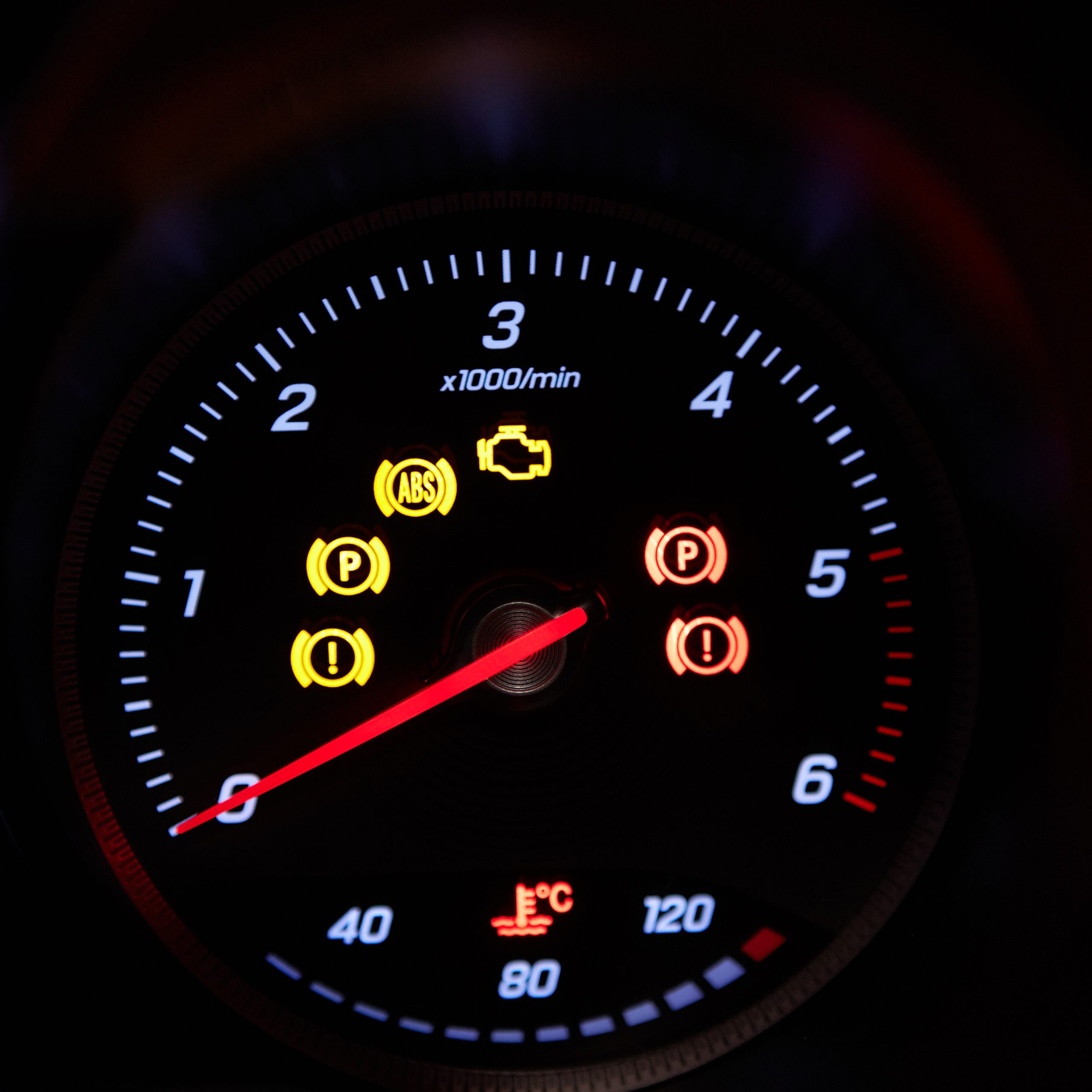
When that dreaded check engine light illuminates your dashboard, it’s your vehicle’s way of communicating that something needs attention within the engine management system. At Crown Auto Repair in Fredericksburg, Virginia, our ASE-certified technicians understand that this warning can cause immediate concern for drivers. The check engine light diagnostic process involves connecting an OBD-II scanner to your vehicle’s diagnostic port to retrieve diagnostic trouble codes (DTCs) stored in the engine control module (ECM). These codes provide specific information about which systems or components are experiencing issues, allowing our team to pinpoint problems efficiently. Rather than guessing at potential causes, we use computerized diagnostic equipment to identify the exact source of your engine concerns. This systematic approach saves you time and money while ensuring accurate repairs that address the root cause of the problem.
Common Causes Behind Your Illuminated Warning Light
Your check engine light can illuminate for various reasons, ranging from simple maintenance issues to more complex engine problems that require immediate attention. Common triggers include faulty oxygen sensors that monitor exhaust gases, a malfunctioning mass airflow sensor that measures incoming air, or issues with fuel system components that affect engine performance. Problems with the catalytic converter, which reduces harmful emissions, can also trigger the warning light and lead to failed emissions tests. Engine sensors throughout your vehicle constantly monitor performance parameters. When any sensor detects readings outside normal ranges, the ECM activates the check engine light. At Crown Auto Repair, located at 4727 Ewell Road Fredericksburg, VA 22408, our technicians have extensive experience diagnosing these causes. We understand that symptoms like poor engine performance, reduced fuel economy, or your engine running rough often accompany the illuminated light, providing additional clues during our diagnostic process.
Our Comprehensive Diagnostic Process and Services
Our check engine light diagnostic service begins with connecting professional-grade diagnostic equipment to your vehicle’s OBD-II port to retrieve all stored trouble codes. Beyond simple code reading, we perform thorough engine performance testing to understand how these codes relate to your vehicle’s operation and symptoms. Our diagnostic process includes emissions system diagnosis when codes indicate potential environmental compliance issues, ensuring your vehicle meets all regulatory requirements. We also provide fuel system service when diagnostics reveal problems with fuel delivery or combustion efficiency. When our analysis identifies faulty components, we offer sensor replacement using quality OEM or equivalent parts backed by our warranty. Our team at Crown Auto Repair provides code-clearing services only after addressing the underlying issues, ensuring the light doesn’t return unexpectedly. You can reach us at (540)368-6266 to schedule your diagnostic appointment during our convenient hours: Mon – Fri: 8AM – 5PM, though we’re Closed Weekends.